
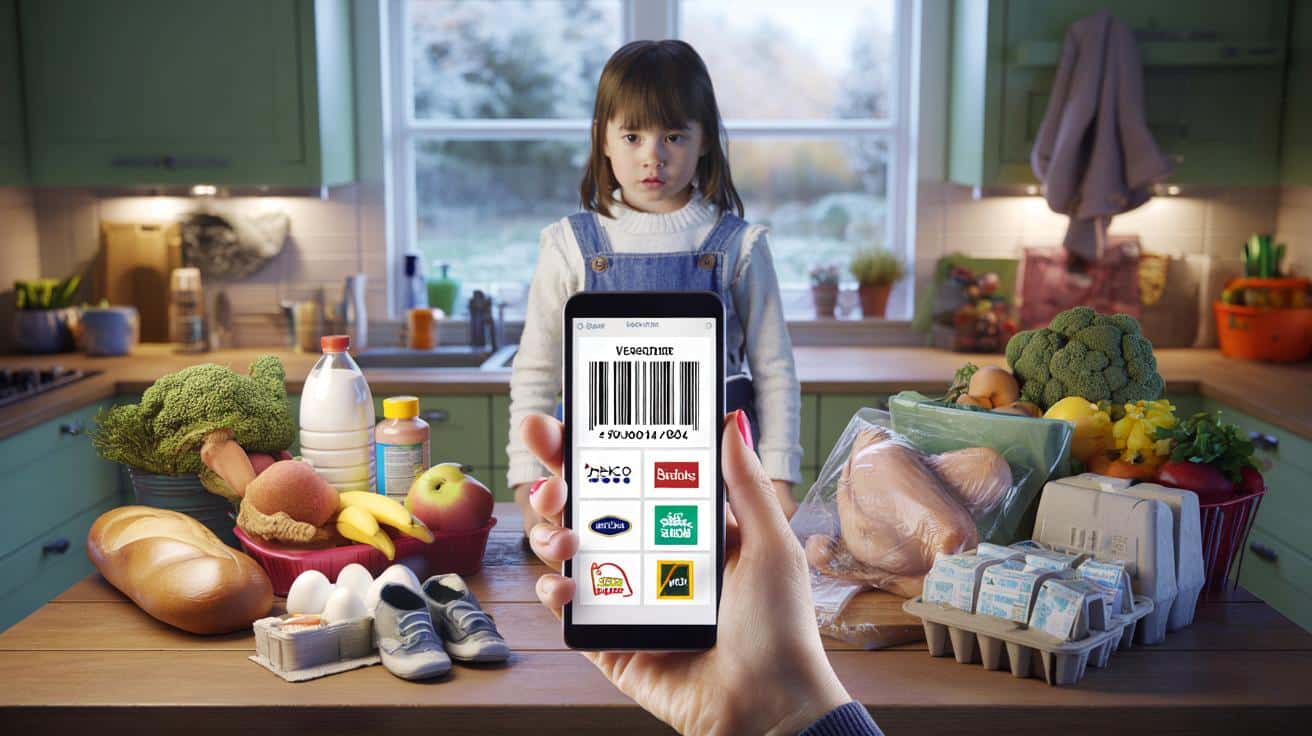
Across the UK, councils are moving fast to get supermarket e-vouchers into people’s hands before winter bites. The headline number making waves: £300 to spend at Tesco, Asda, Sainsbury’s or Aldi — landing for eligible households in November, often with just a few clicks needed to claim.
The text buzzed in at 8:17am, between a lost PE kit and a cold coffee. “Your supermarket e-voucher is ready to download.” Leanne, juggling the school run and night shifts, opened the link on her phone and saw the figure in black and white: £300. Not a windfall, not luxury money — survival money. Bread, milk, nappies, a roast for Sunday if she stretched it right.
On the bus, two other mums swapped notes about which shop codes worked in-store, and how fast the balance went on packed lunches. The baby slept. The city rolled by. A small breath of relief felt big. And then the clock started ticking — vouchers don’t last forever.
What’s behind the £300 supermarket vouchers — and why November matters
Across England, councils are using the Household Support Fund to send targeted e-vouchers worth up to £300 for supermarkets like Tesco, Asda, Sainsbury’s and Aldi. The timing isn’t random. November is when heating goes on, school shoes give up, and cupboards need topping up before the Christmas squeeze. **It’s a bridge month, and a voucher can be the plank that stops a family falling through.**
These aren’t prize draws. They’re structured schemes for residents on specific benefits or low incomes — think families with children on free school meals, pensioners on Pension Credit, or households struggling with bills identified by local services. Many councils release codes in waves, often via email or text, and sometimes as automatic awards if you’ve claimed before. It’s practical help, built to be spent on the basics.
Take a typical roll-out: the council notifies eligible households by mid-November, issues a secure link to choose a retailer (Tesco, Asda, Sainsbury’s, Aldi are the most common), then sets an expiry date to keep funds moving. Some areas split support — £150 now, £150 in December — while others send a single £300 hit. The differences are local by design. That matters, because there isn’t one national rulebook.
On-the-ground results are quietly huge. In one northern city, several thousand families redeemed supermarket codes within 72 hours of release, with redemption peaking on Saturdays. A Midlands council reported spend patterns tilted towards fruit, veg, bread and baby items within the first week. We’ve all had that moment where a till total is higher than the wallet can take. A voucher turns that freefall into a safe landing, even if only for a month.
There’s a logic to supermarket vouchers that cash sometimes can’t match. They’re fast to send, easy to spend, and tightly focused on food and essentials. That removes some stigma and a lot of friction. It also stretches support, as retailers typically cap what can be bought — think groceries over gift cards or tobacco. **For councils, it’s a way to get help out before the coldest weeks hit. For families, it’s a few precious weeks of breathing space.**
Yes, £300 won’t rewrite winter. It sits alongside other help like energy credits, school holiday meal schemes, or the Warm Home Discount for eligible households. But its shape — everyday spending at the big four grocers — makes it feel immediate, useful and real. Even the tap of the barcode at the till feels like a small win. The kind you can taste.
How to check if you can get £300 — and make every pound work harder
Start with your postcode. Head to your council’s website (or use the “Find your local council” tool on GOV.UK), search “Household Support Fund” and look for supermarket vouchers or winter support. If your area’s paying £300, you’ll usually see a clear eligibility list, a deadline, and either a short form or instructions for automatic awards. *If you’ve had a voucher in a previous round, look out for a fresh link — many councils reissue to the same households.*
When the code arrives, pick the supermarket you’ll actually use. Tesco for Clubcard pricing, Asda for bigger family packs, Sainsbury’s for Nectar points, Aldi for low base prices. Then plan one main shop first, not five small ones. Let’s be honest: nobody does this every day. But a half-hour list with prices beats three panicked dashes at 6pm. Snap a photo of the voucher barcode, save the email offline, and watch the expiry date like milk in July.
Common pitfalls are boring and costly. Don’t sit on the code “for Christmas” if your area uses short expiries — many do. If the link looks odd, check the sender address on the council site before clicking. If a cashier isn’t sure how to scan an e-voucher, ask for a supervisor and keep the barcode bright on your screen. **Small frictions can swallow big help if you let them.**
“That £300 doesn’t make everything easy,” said one dad in Bristol. “It just makes today possible.”
- Check eligibility: free school meals, Pension Credit, disability benefits and low income are common routes.
- Redeem early: November windows close, and vouchers can expire fast once issued.
- Choose the right shop: match offers and loyalty perks to how your family actually eats.
- Keep proof: screenshot codes, note balances, and track the expiry date in your calendar.
- Layer support: pair with food bank parcels, school holiday vouchers, or energy credits where available.
The bigger picture — and what this says about winter in Britain
These £300 vouchers tell a story that graphs don’t. Households aren’t just budgeting; they’re firefighting. The council, the supermarket, the barcode, the beep — it’s a new winter ritual. Some see it as a sticking plaster. Others as the only thing standing between a meter top-up and an empty fridge. Both can be true at once.
The schemes vary wildly by region, and they evolve across the season. That’s messy, and it’s also why so many families miss out — they don’t know their area’s rules, or they assume they’re not “poor enough.” If you’re on the fence, check anyway. A five-minute form can turn into £300 of food. And that can turn a tough month into a manageable one.
What happens next isn’t guaranteed. Funding pots open and close, and winter doesn’t run on spreadsheets. Still, the November wave of supermarket help has become part of the UK’s seasonal safety net, as familiar as the first frost. It’s not perfect. It is practical. And right now, practical wins.
| Point clé | Détail | Intérêt pour le lecteur |
|---|---|---|
| £300 supermarket vouchers | Issued by councils via the Household Support Fund in November | Know if you can get direct help for groceries |
| Where you can spend | Tesco, Asda, Sainsbury’s and Aldi are the main choices | Pick the retailer that stretches your basket |
| How to claim | Check your council page, watch for texts/emails, redeem links quickly | Avoid missing deadlines and voucher expiries |
FAQ :
- Who gets the £300 vouchers?Eligibility is set locally, often including families on free school meals, pensioners on Pension Credit, disabled residents and low-income households flagged by local services.
- Is it always exactly £300?No. Some councils pay £300 in one go, others split it, and some pay different amounts depending on household size or need.
- How do I receive the voucher?Usually by a secure link sent via email or text, letting you choose Tesco, Asda, Sainsbury’s or Aldi and download a barcode to scan at the till.
- What if my code doesn’t work?Try a different till, ask for a supervisor, and keep the barcode brightness high. If it still fails, contact the council using the details on your award message.
- Can I swap the voucher for cash?No. These are supermarket e-vouchers meant for food and essentials, and they can’t be exchanged for cash or other gift cards.








Just got the text and redeemed at Aldi—lifesaver this month! 🙂
Why does the amount vary so much by council? My sister in Leeds got £300, but in our area it’s split £150 now and £150 in Dec. Feels a bit unfair and confuzing.